

Eye of the designer – Vol #1 – Aya Dayem
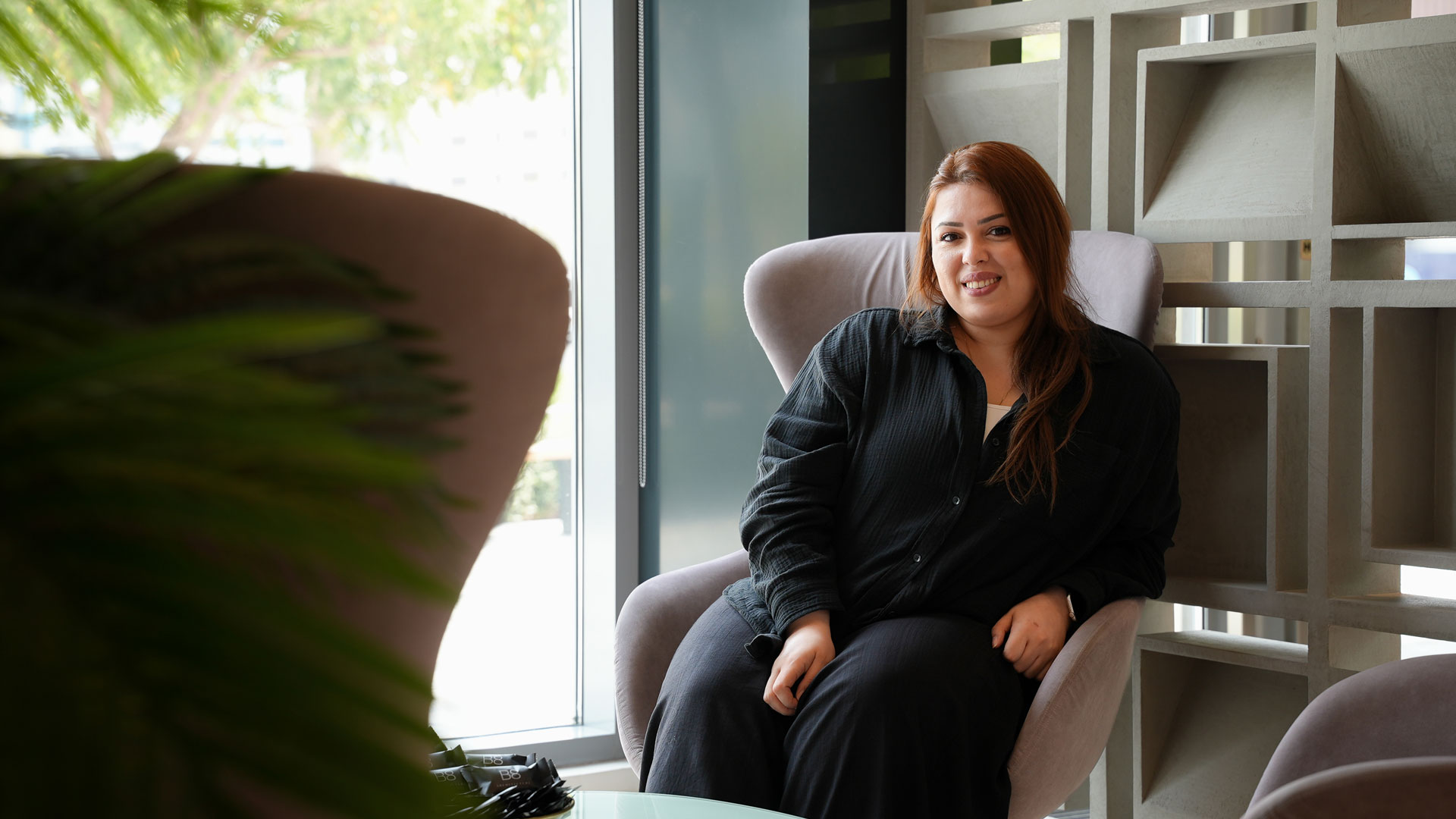
First things first, tell us a little about yourself. Who is Aya Dayem?
My name is Aya Abd Eldayem, I’ve been working with B8 for the past five years. I got into interior design because I’ve been always fascinated by the idea of how a space can completely change the way you feel, behave and experience our daily lives, that’s what drew me to this field in the first place.
For me interior design is not only about creating spaces that are beautiful and practical, it’s about understanding the people will use the space and creating something that is personal, comfortable and meaningful, a space they can actually connect with and enjoy everyday.
What’s the difference between a home that’s expensive and a home that’s rich?
I would say that truely rich homes will always feel expensive, but the opposite is not necessarily true.
In my opinion a rich home is the one that is thoughtfully designed. It’s rich in details, personality and practicality. Every design decision I make, every material, every corner has a purpose and contributes in shaping the experience of the user and the feeling they get once stepping into this house.
While expensive home simply means a lot of money has been spent, but not always in the right places. Luxury isn’t about spending more, it’s more about knowing where to invest to creat a home that feels timeless, comfortable and meaningful.
What do you design for that a client will never consciously notice, but would feel the absence of?
The feeling the space leaves, even if people can’t explain where it came from.
Things like the way natural light moves through a space, the proportions of a room, the flow between areas, the comfort of materials, and even what the eye naturally lands on when you enter. Most clients won’t consciously notice those details, but they would definitely feel it if they were missing.
To me, great design isn’t only about what people see, but also about how a space makes them feel. When everything is thoughtfully considered, the experience feels effortless, and that’s often the greatest compliment a designer can receive.
A space you designed years ago — how has it aged, and did it age the way you hoped?
There is this project that came to my mind when reading this questions and it is Villa Arabisc, my first design after joining b8. Looking back at it still makes me proud.
It was designed around five years ago, yet when I see it today, it still feels current and relevant.
That, to me, is one of the greatest measures of successful design.
I’ve always believed that timelessness is something you should never compromise. Designing a home is different from designing almost any other space, it’s where people return every evening, where memories are made, and where they should continue to feel inspired and comfortable for years to come. A home should never feel dated or trend driven. It should evolve gracefully and remain just as meaningful as the day it was created.
What’s the ugliest thing you own that you’d never give up?
I honestly don’t think I own anything I’d call ugly. Maybe that’s the designer in me, but I truly I tend to find something beautiful in almost everything around me. However, there is one item that I would not call ugly, I would say over used or abused, it is my old backpack, it has traveled with me almost every where and definitely showing the age, and it carries more stories than it probably should. Every now and then I tell myself it’s time to replace it, but I never do.
Somehow, it still feels like the right bag to grab before I head out.
Of everything you’ve made, which space are you proudest of; and is it the one people would expect?
I would never release a design that I’m not proud of. Every project carries a piece of my soul and countless hours of my life, so it’s very hard for me to choose one, I am proud of each and every project I’ve designed.
When it comes to client expectations, I always try to find the right balance between their vision for the space they’ll live in and what I believe will truly make it work. My role isn’t just to deliver what they ask for, it’s to understand how they want to feel in the space, align it with their needs and guide them toward the best design to achieve that.